
When we first covered the EV price war, the story was manufacturers slashing new-car prices and the ripple effects spilling into combustion showrooms. Two years later, the war is effectively over — and the aftermath landed somewhere nobody fully predicted. The federal tax credit is dead, new EV prices actually fell anyway, and used EV prices have collapsed into what analysts are openly calling the best used-car buying opportunity of the decade. If you’ve been EV-curious but priced out, 2026 is the year the math flipped.
What Actually Happened Since 2024
Three big shoes dropped:
- The federal EV tax credits expired September 30, 2025. Both the $7,500 new-EV credit and the $4,000 used-EV credit ended under the One Big Beautiful Bill Act. Everyone expected EV sales to crater and prices to spike. Instead —
- New EV prices fell after the credit died. Manufacturers and dealers cut sticker prices to fill the incentive gap and keep metal moving. Per Cars.com’s tracking, new EVs are cheaper today than they were when the credit existed.
- The lease returns arrived. The 2021–2023 leasing surge — when the credit made EV leases extraordinarily cheap — is now returning two- and three-year-old EVs to the market in enormous volume. Used EV inventory is up roughly 38% year over year, and supply like that has exactly the effect on prices you’d expect.
Used EV Prices in 2026: The Numbers
The current state of the market, per Cox Automotive and Recurrent data:
- Average used EV listing: $34,653 (March 2026), down 6.1% year over year while gas-car prices held flat
- The used EV-vs-gas price premium hit $897 — the smallest gap ever recorded. Used EVs now cost essentially the same as equivalent gas cars.
- 44% of used EV transactions are landing below $25,000, and over half of all used EV inventory is priced under $30,000
Why do EVs depreciate faster than gas cars? Partly the incentive history (a used price has to compete with what a new one cost after credits), partly technology aging — a three-year-old EV feels more dated than a three-year-old gas car because charging speed, range, and software move so fast. That’s a real cost if you’re the first owner. If you’re the second owner, it’s the whole opportunity: someone else paid for the depreciation, and the car still does everything it did the day it left the lot.
How to Buy a Used EV Without Getting Burned
- Battery health is the whole inspection. A battery report (Recurrent offers them, and many dealers now provide one) matters more than anything a mechanic will find. Expect a healthy pack to show single-digit percentage degradation for a 2–3 year old car; double digits deserves a discount or a pass.
- Check the battery warranty transfer. Federal rules require 8-year/100,000-mile battery coverage, and it follows the car, not the owner. A 2023 EV carries meaningful factory battery coverage into the 2030s.
- Ask about DC fast-charging habits. A car that lived on road-trip fast charging ages its pack faster than a home-charged commuter. Charging history is the EV equivalent of asking whether a performance car was tracked.
- Mind the state incentives. The federal credit is gone, but state programs survive — California, Colorado, Connecticut, Maine, Massachusetts, New Jersey, New York, and Rhode Island all run used-EV or income-qualified programs that can stack thousands onto an already-cheap car.
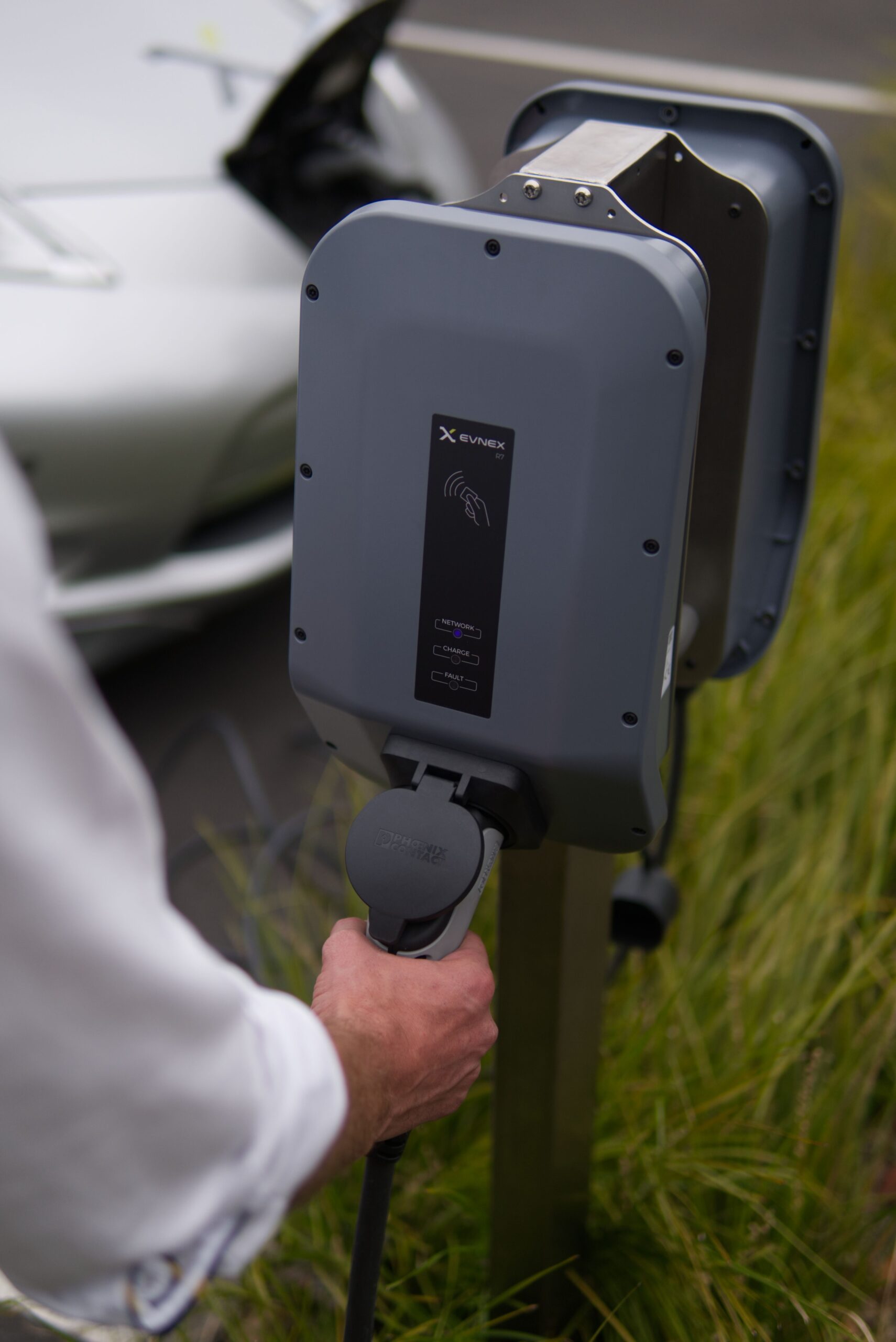
- Budget for home charging. A Level 2 home charger (240V) is the difference between owning an EV and tolerating one. Installed cost typically runs $500–$1,500 including electrical work, and it makes the public-charging network mostly irrelevant for daily life. A 40-amp Level 2 charger covers nearly any EV’s overnight needs.
The Enthusiast Angle Aged Well Too
Our original take — that the price war would extend the runway for combustion performance cars — turned out right. Automakers walked back their all-EV timelines, reinvested in hybrids and combustion performance, and the manual-transmission revival is still going (we covered why in Manual Transmissions Are Having a Moment). Dealer incentives on gas performance cars remain generous for the same reason they were in 2024: showroom traffic — our car incentives tracker covers where those deals concentrate.
Meanwhile the budget end of the new-EV market kept getting more interesting — the Slate truck we covered at preorder is exactly the kind of stripped-back, cheap EV the price war made viable. And when an old pack does reach end of life, it doesn’t go to a landfill — battery recycling is a real industry now, part of the same loop we covered in recycling old electronics.
The Bottom Line
The EV price war ended the way price wars usually do: the customer won, eventually, in the used aisle. With used EV prices at parity with gas cars, inventory at record highs, warranties that transfer, and battery-health reporting mature enough to buy with confidence, 2026 is the buyer’s market analysts spent two years predicting. Check the pack, claim your state’s incentive if you have one, put a Level 2 charger in the garage — and let the first owner’s depreciation be your discount. InsideEVs and Recurrent both track this market closely if you want the running numbers.
As an Amazon Associate, Infinity City earns from qualifying purchases.