
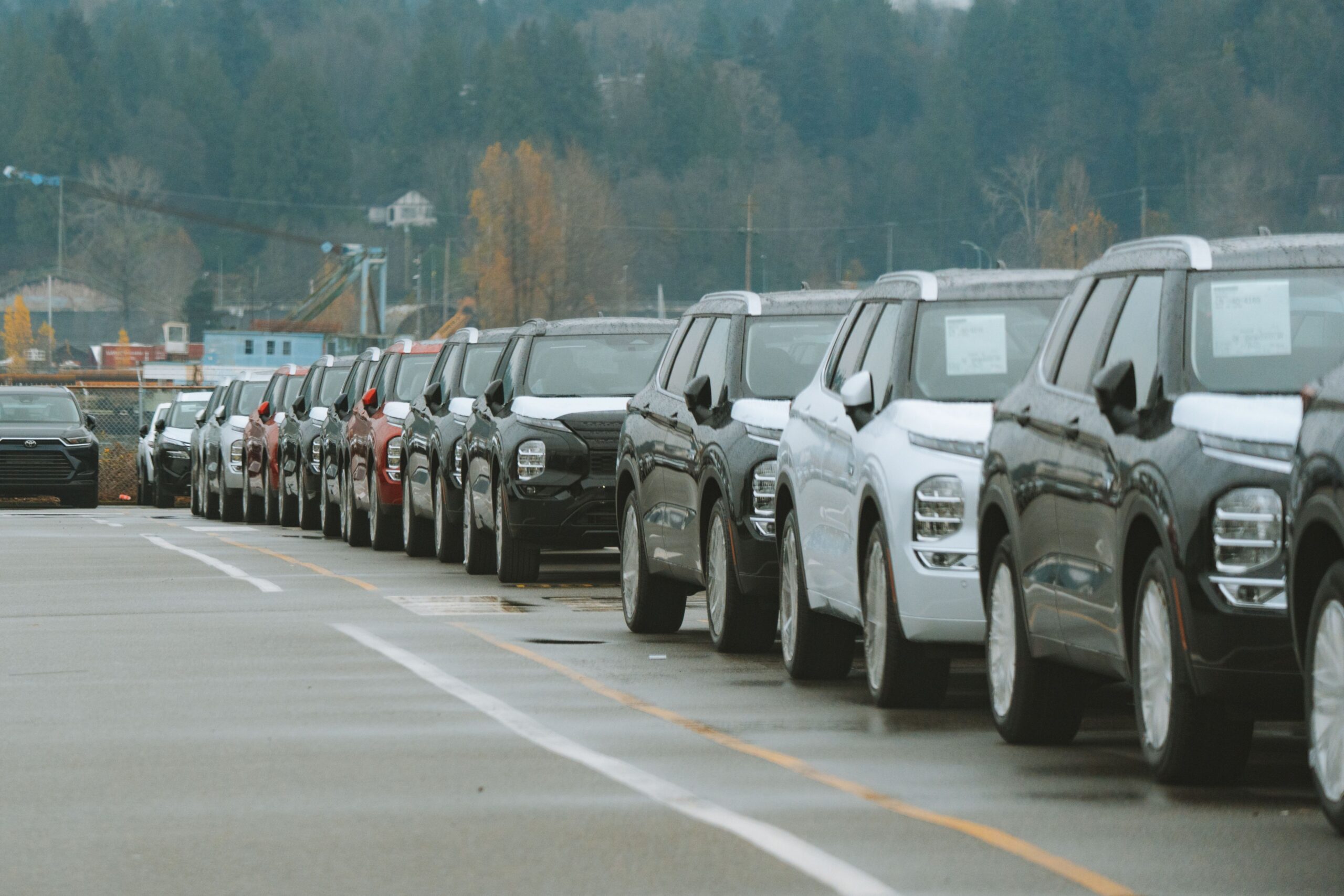
Car incentives in 2026 are running hotter than they have in years — national incentive spending has climbed past 20% year over year, landing around $3,300 per vehicle on average. But that average hides the real story, because the money is wildly lopsided: some segments are practically being given away with stacked 0% financing and five-figure rebates, while high-demand models have barely moved. Understanding where the deals cluster, and why, is worth thousands of dollars at signing. Here’s the map.
The One Rule: Car Incentives Follow Oversupply
Before any specific deal, internalize the mechanism, because it predicts everything else: manufacturers and dealers discount what they overbuilt, not what you want. A big rebate is a confession that a vehicle isn’t selling at sticker. That’s not a reason to avoid it — an overbuilt car is often perfectly good — but it tells you exactly which aisles to shop for a deal and which to skip. Right now, three categories are soaking up nearly all the incentive money.
Where the Money Is: EVs, Trucks, and Last Year’s Stock
Electric vehicles lead by a mile. With the federal EV tax credit gone as of late 2025, automakers replaced it out of their own pockets to keep EVs moving — and then some. Combined cash-and-financing incentives on many EVs now top $10,000, and the offers are genuinely aggressive:
- Kia Niro EV — around $10,000 cash back, or 0% APR for 72 months plus $3,500 bonus cash (one of the steepest effective discounts on any car)
- Best-in-market EV financing — 0% APR for 72 months plus up to $5,000 in rebates on select models
- Toyota bZ — 0% financing over 72 months, with regional cash bonuses stacked on top in some states
Full-size trucks are second. 0% financing offers have spread across the segment as dealers work down elevated inventory, and some brands (Nissan among them) layer 8–10% dealer discounts underneath the advertised incentive before you even start negotiating. Leftover prior-model-year stock is third — straightforward clearance discounting to make room for incoming inventory, and often the single easiest win if you don’t care about having the newest model year.
For the current running list of offers, Car and Driver and dealer-data sites like CarEdge track them week to week.
Where the Money Isn’t: High-Demand Hybrids
Shopping a Toyota Corolla Hybrid, a RAV4 Hybrid, or a Honda CR-V? Don’t wait for a rebate that isn’t coming. These show up with modest lease offers rather than cash on the hood because dealers cannot keep them in stock — hybrid demand stayed strong while automakers prioritized EV and truck production, so there’s no glut to discount. This is the flip side of the oversupply rule: the more a car sells itself, the less anyone pays you to buy it. For high-demand hybrids, your leverage is cross-shopping dealers for a fair price, not waiting out a sale.
How to Actually Stack and Time It
- Know that 0% and cash usually don’t combine. The biggest rookie mistake: assuming you get both. On most vehicles you choose either low-APR financing or the cash rebate. Do the math — on a short loan the cash is often worth more; on a long loan at a real 7% market rate, 0% can beat it. Run both.
- Separate the incentive from the price. The rebate on the windshield is a starting point, not the deal. Negotiate the selling price first as if there were no incentive, then apply it. Dealers love to let the rebate do the discounting for them.
- Ask what’s stackable. Manufacturer cash, financing offers, loyalty/conquest bonuses, and regional cash sometimes combine and sometimes don’t. Make the dealer itemize every one and show which stack.
- Mind the credit fine print. The headline 0% offers are for top-tier credit only. If yours isn’t excellent, the advertised APR isn’t your APR — get pre-approved at a bank or credit union first so you know your real number to beat.
- Shop the end of the month, quarter, and model year. Sales targets tighten as clocks run out; the same car can carry a bigger effective discount on the 30th than the 5th.
The Bottom Line
For all the noise, car incentives in 2026 reward one thing: buying what the market overbuilt. It’s a genuinely strong window — if you want what’s on sale. Cross-shopping an EV or a full-size truck, stacking a 0% offer against a five-figure rebate, you can save real money right now. After a high-demand hybrid, patience won’t pay; leverage across dealers will. Either way, the incentive is the last number to discuss, not the first. And if a stripped-down, genuinely cheap EV is the goal, the Slate electric truck is coming at the problem from a completely different direction — while the broader EV price war is what put these incentives on the table in the first place.