
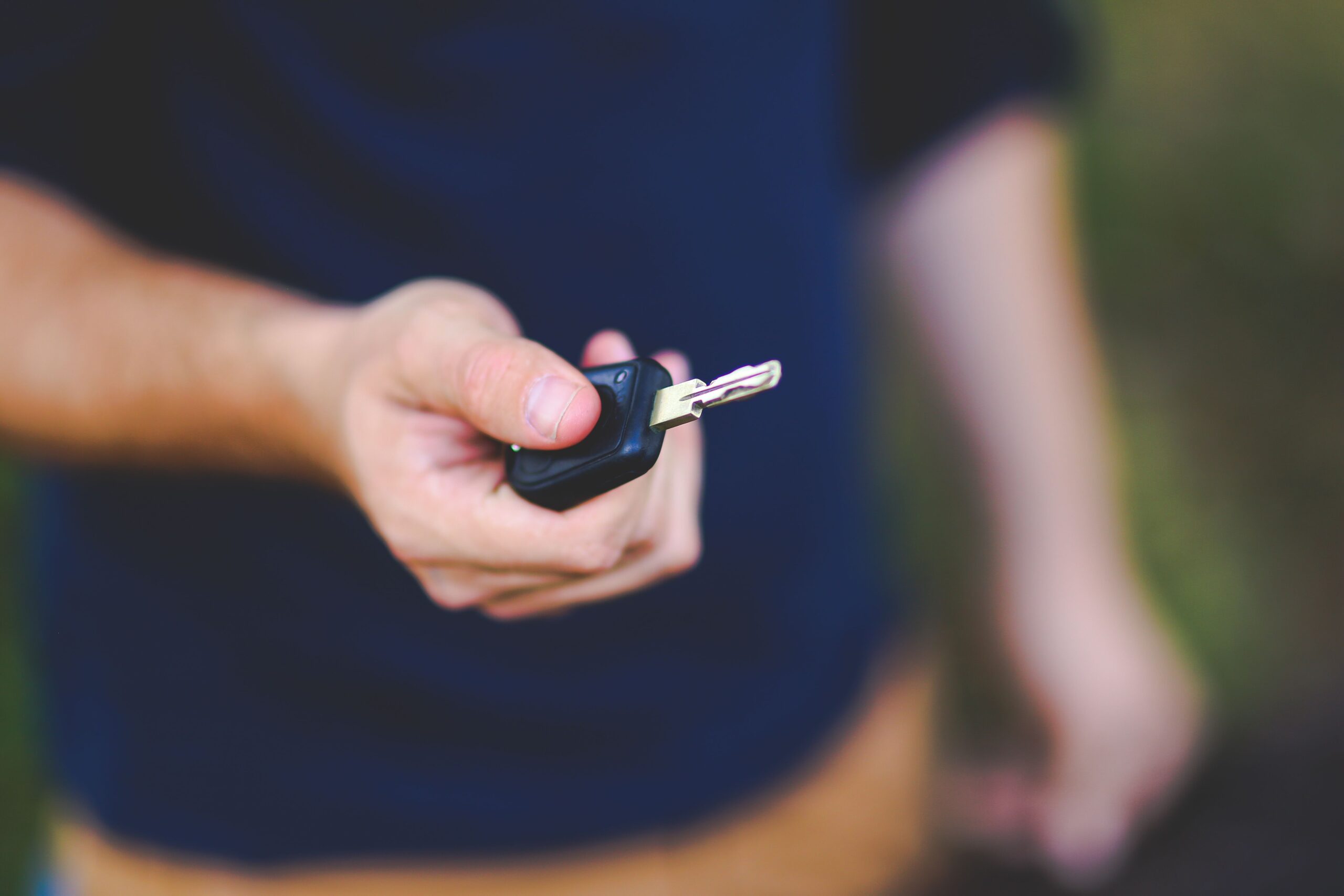
Hyundai’s anti-theft software update is supposed to end the USB-cable thefts that plagued its cars for years — and mostly, it works. But a patched Hyundai Tucson was stolen anyway this year, in about two minutes, the same way thousands of Hyundai and Kia thefts have happened since 2022. It’s a reminder that even a well-designed fix can’t protect a car that isn’t actually using it — and that the legal fallout is still grinding through the courts in 2026. Here’s the full picture: how the vulnerability happened, what the update does and doesn’t do, and where the settlement money stands now.
How We Got Here
The flaw traces to a cost decision in Hyundai and Kia models built roughly 2011–2021: unlike nearly every competitor, these cars used a basic key-turn ignition without an electronic immobilizer — the chip that checks for a matching key before the engine will start. In mid-2022, TikTok videos showed how to pop the steering column cover, expose the ignition cylinder, and turn it with nothing but a USB cable shaped like a key. No immobilizer meant nothing stopped it. Thefts of these models exploded nationally, “Kia Boyz” became shorthand for the trend, and several cities reported Hyundai/Kia thefts multiplying by 10x or more — with real consequences, including crashes and deaths tied to joyrides.
What the Hyundai Anti-Theft Software Update Does
Starting in 2023, Hyundai and Kia rolled out a free software update that adds an ignition kill switch and an alarm — but with a crucial condition: the protection only arms when you lock the car using the key fob. Do that, and the software blocks the starter even if someone jams a cable into the cylinder, and sounds the alarm. The IIHS tested it and rated it “extremely effective” — for cars that are actually fob-locked every time.
Recognizing that software alone wasn’t enough, the automakers later added a free hardware option too: a zinc-reinforced ignition cylinder protector that physically resists the cable method, offered even to owners of models that originally qualified only for the software. If you own an affected car, both are worth claiming at a dealer.
Where It Breaks Down: The Owner Is the Loophole
The catch is right in the design: the software protects the car only at the moment it’s fob-locked — not when you lock it by hand, not on a driveway you “just shut the door” on, and obviously not when it’s left unlocked. In the recent Tucson theft and other reported thefts of patched cars, the vehicles apparently weren’t fob-locked, which left the USB method as effective as it was pre-update. The fix is real; it just depends entirely on a habit most drivers don’t think about.
- The software update and the hardware cylinder protector are both free for eligible 2011–2022 Hyundai and Kia models at a dealership.
- The software protects the car only when locked via the key fob — not the interior lock, not the door handle, not “I’ll lock it later.”
- Physical deterrents (a visible steering wheel lock) work independently of whether you remembered to fob-lock.
- For these specific models, confirming comprehensive insurance and adding a tracker are worth doing given how targeted they remain.
The Settlement: $200M, and Still in Limbo
The legal side is nearly as complicated as the technical one. A class-action settlement valued around $200 million covers roughly 9 million vehicles lacking immobilizers, including about $145 million earmarked to reimburse owners for theft-related losses. But as of 2026 those payments are paused again: an objector petitioned the U.S. Supreme Court in May 2026, freezing distribution of the common fund until the Court decides whether to hear the appeal — a decision projected for around October 2026.
Tellingly, a newer settlement layer specifically covers thefts occurring on or after April 29, 2025 — an explicit acknowledgment that people who installed the anti-theft software were still getting their cars stolen. Multiple state attorneys general have also reached their own settlements with the automakers over selling vehicles without adequate anti-theft tech. If you own an affected model and have been a victim, it’s worth tracking your eligibility as these cases resolve; the reimbursement framework exists even if the payouts are currently on hold.
The Real Takeaway
This isn’t really a story about software failing — by most accounts it works as designed. It’s a story about how completely a fix can depend on a human habit: actually pressing the fob’s lock button, every single time, rather than just walking away. If you or someone you know drives an affected Hyundai or Kia, get the free software update and the hardware cylinder protector installed — but understand that’s only half the fix. The other half is remembering to use it, backed by a physical deterrent for the times you forget. It’s the same pattern behind right-to-repair laws: the protection only helps owners who actually know about it and use it.
Recommended Anti-Theft Gear
Until you’re confident the software-plus-habit combination is locked in, a layered physical approach is the most reliable protection for an affected Hyundai or Kia:
- Steering wheel lock — a visible deterrent; thieves looking for a 30-second USB steal move on to an easier target
- Apple AirTag (or Tile for Android users) — hidden in the car, it won’t stop a theft but dramatically improves recovery odds
- Battery kill switch — the nuclear option: a car that won’t crank can’t be driven away, USB trick or not
- Reinforced column cover clips — cheap insurance that makes popping the column to reach the cylinder harder
As an Amazon Associate, Infinity City earns from qualifying purchases.