
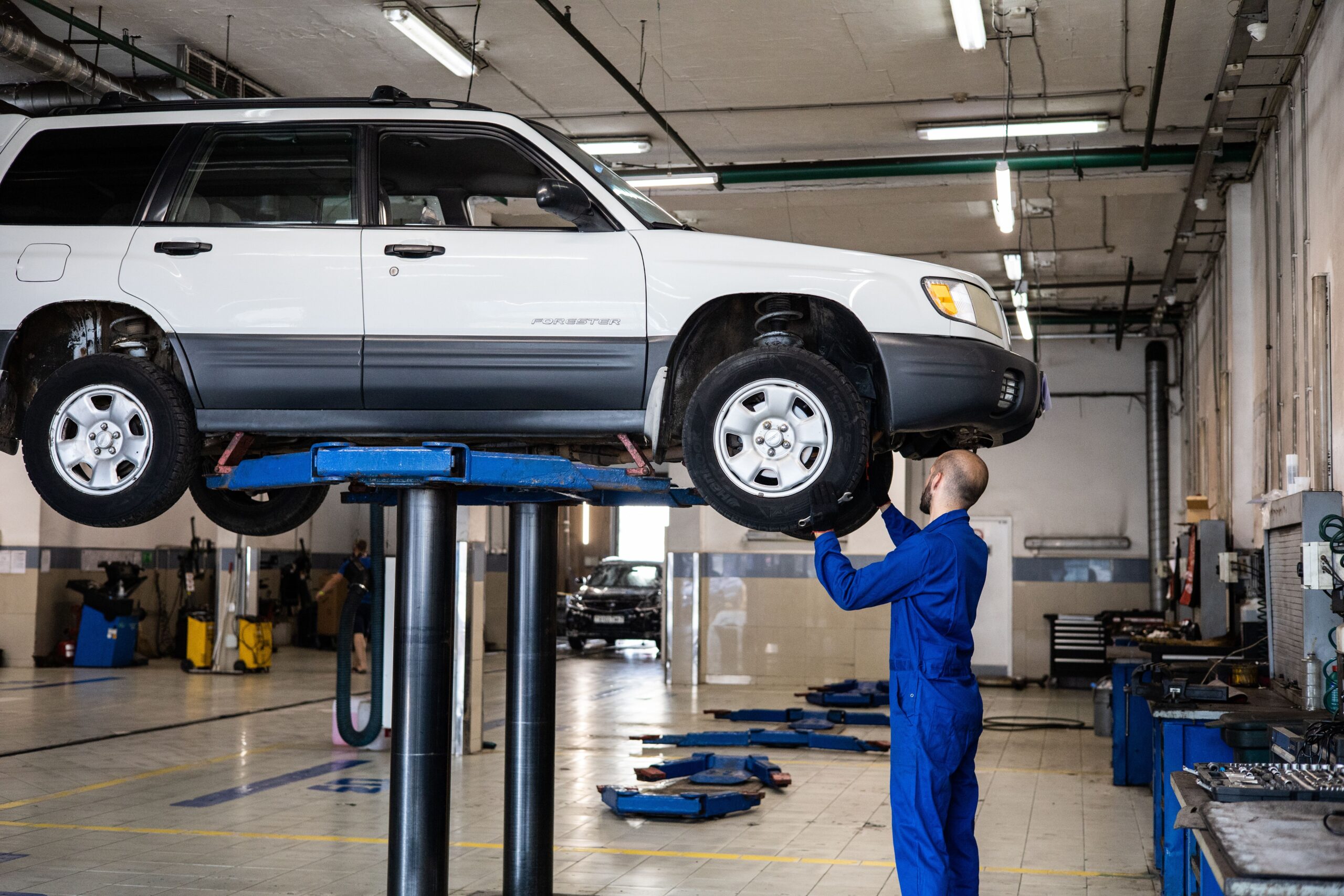
Buying a used performance car gets you into something that’s been driven harder than the average commuter — that’s the whole appeal, and also the entire risk. The same car that rewards enthusiasm punishes deferred maintenance, and the difference between a great buy and a five-figure mistake usually comes down to an hour of checking the right things. Here are the seven checks that matter, expanded with exactly how to do each one — whether you’re shopping a 911 GT3, a used Civic Type R, or anything in between.
1. Service Records — Especially Clutch and Brakes
Performance cars eat consumables at multiples of the commuter rate, and the service file tells you whether the owner kept up or kept driving. What you want to see: fluid changes on schedule (or early), brake work with receipts, and a paper trail that matches the odometer. A performance car with no service history at 60,000 miles isn’t a discount — it’s a car you should price as if it needs everything, because it might. Pay special attention to brake fluid changes (skipped by most owners, critical on anything driven hard — here’s why fluid age matters) and clutch history on manuals.
2. Modification History — Including the Mods That Were Removed
Ask directly whether the car has been modified — tuned, lowered, exhaust swapped — even if it looks bone stock, because returned-to-stock is the condition most likely to hide a hard life. A tune can be flashed away before sale; the extra cylinder pressure it ran for two years can’t. Look for tells: aftermarket clamp marks on stock exhaust, non-factory bolts on the ECU cover, adjustable hardware where fixed parts belong, quality of any visible work. Mods aren’t disqualifying — a documented, well-executed build by a known shop can be a better car than stock — but undocumented history is priced accordingly, and a tune usually complicates any remaining factory warranty.
3. Tires — the Car’s Diary, Written in Rubber
Check all four corners, not just the fronts. Inside-shoulder wear suggests aggressive alignment settings (a track or autocross tell) or worn suspension; feathering points to alignment problems; center wear means chronic overinflation. Then read the DOT date codes — mismatched dates across corners mean singles were replaced, which is worth asking about, and anything over six years old needs replacement regardless of tread (our tire sidewall guide covers reading the codes in 30 seconds). Budget a full set into your offer if the car needs it: on a performance car that’s $1,000–$2,500.
4. The Cold Start — Insist On It
Arrange to arrive with the engine stone cold and touch the hood to verify. The first thirty seconds of a cold start reveal what a warm engine hides: piston slap, lifter tick, a rattle from a worn cam-chain tensioner, startup smoke that clears (valve seals) or doesn’t (rings). Check the oil level and condition before it starts — here’s what the dipstick should tell you — and watch the idle settle. A seller who “warmed it up for you” as a courtesy has answered a question you didn’t ask.
5. Compression or Leak-Down Test
For anything with real miles — or any turbocharged engine — a compression test (or better, a leak-down test) is the single best $100–$150 you can spend, because it measures the one thing no visual inspection can: the health of the rings and valves. Even cylinders are the goal; one low hole is a negotiation, several is a walk. Fold this into the pre-purchase inspection below rather than paying separately.
6. Title, History Report — and Its Blind Spots
Run the VIN, obviously. But understand what a clean report doesn’t prove: cash bodywork never reported to insurance, track incidents repaired privately, and the first 90 days after any accident (reporting lag) are all invisible to it. Performance cars are statistically more likely to have been hit — verify the report’s story against the car: panel gaps, paint texture differences, overspray on trim, and a paint thickness gauge across every panel (see gear below) will find what the report missed. Confirm the title is in the seller’s name and lien-free before any money moves.
7. A Real Test Drive, Not a Parking Lot Lap
Get it to operating temperature, onto a highway, and through corners. Your checklist: full-throttle pull through at least one full gear (clutch slip, hesitation, smoke in the mirror), hard braking from speed (does it track straight? pulsing means warped or deposit-glazed rotors), steady-state cornering (clunks are worn end links or bushings), every gear including reverse, and lane-change transitions (a floaty rear means tired dampers). Radio off, windows down for the first half — you’re listening, not vibing. Drive it like you’ll drive it once you own it; the seller who objects to that has told you something too.
Buying a Used Performance Car Means Buying a PPI
Everything above is your filter; the PPI at an independent shop that knows the platform is the final gate. A marque specialist knows exactly where each model hides its problems and can pull manufacturer-specific data (over-rev logs on Porsches, tune detection on almost anything) that a generic shop can’t. $150–$500 depending on depth, and it either buys you confidence or saves you the purchase price. A seller who refuses a PPI has ended the conversation for you.
Pricing and the Walk-Away List
Anchor your offer to real market data — KBB private-party values, not dealer asking prices (we’ve covered how wide that gap runs on cars like the Mustang Dark Horse) — and adjust for every deferred item you found: tires, brakes, the timing service that’s due. Walk away outright for: refused PPI, title not in seller’s name, evidence of undisclosed accident repair, uneven compression, or a story that changed during the visit. The golden rule of buying a used performance car: there is always another car, and there is rarely a refund.
Recommended Gear
If you’re seriously evaluating a used performance car, a few tools let you check most of this yourself before paying for the PPI:
- OBD2 Scanner — pulls stored and pending trouble codes, including ones a seller cleared; readiness monitors reveal a recent battery-disconnect “code wipe”
- Paint Thickness Gauge — finds resprays and filler the history report doesn’t know about
- Mechanic’s Creeper — makes the underbody inspection for leaks, rust, and crash repair actually happen
- Tire Tread Depth Gauge — quantifies the wear patterns worth flagging during the walkaround
As an Amazon Associate, Infinity City earns from qualifying purchases.