
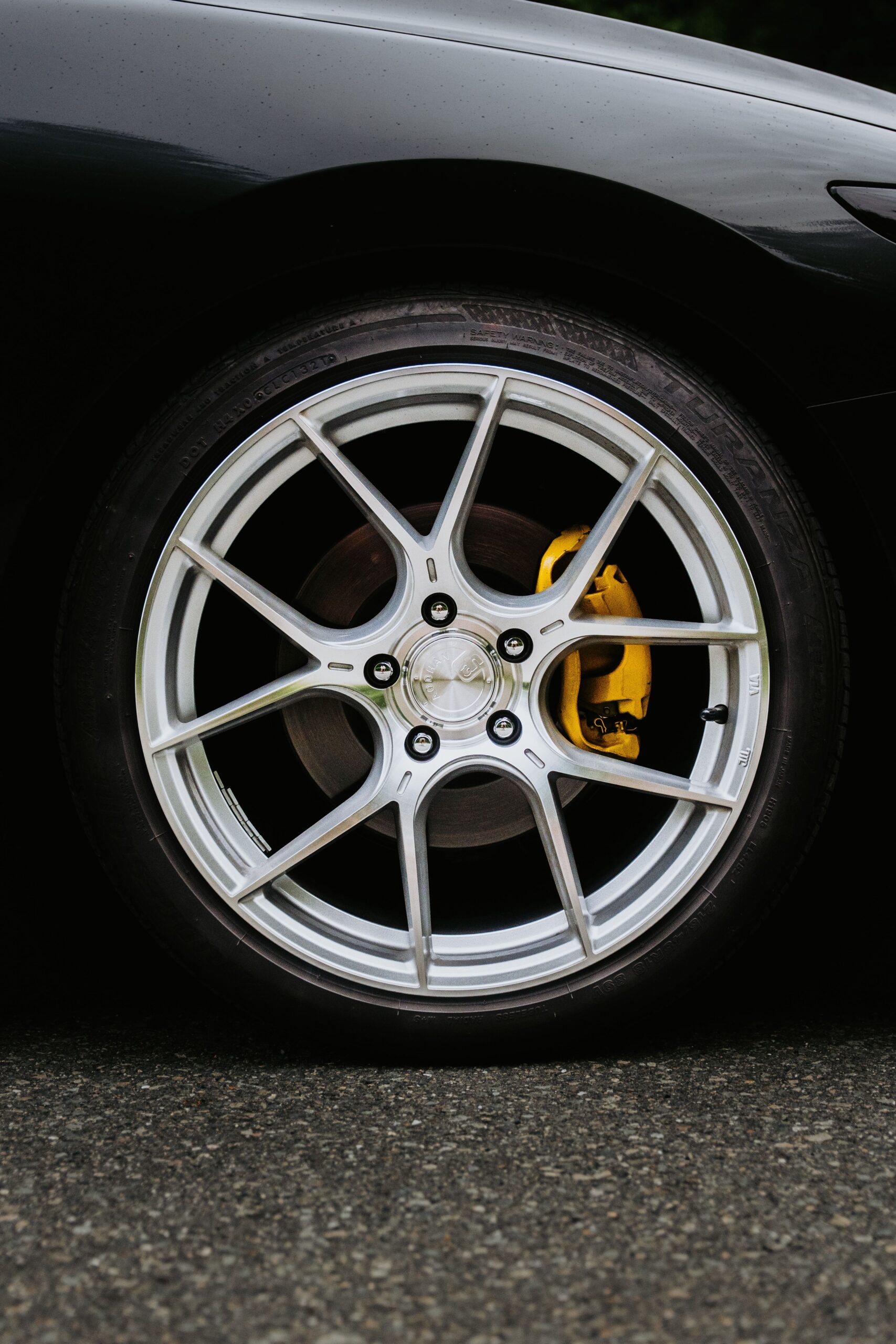
Every few years a car resets the bar for what a road-legal track car can be, and the 911 GT3 has been doing it, generation after generation, since 1999. Two years after we first called the 992 the benchmark, nothing has displaced it — and the market has noticed in a way that makes a used Porsche 911 GT3 one of the strangest purchases in the car world: it’s a six-figure track weapon that has historically cost less to own than a savings account pays, because these cars simply refuse to lose value.
Why the GT3 Is Still the Benchmark
The headline number remains 502 horsepower from a naturally aspirated 4.0-liter flat-six that redlines at 9,000 rpm — an engine derived directly from Porsche‘s GT3 Cup racing program. No turbo lag, no artificial power delivery: throttle response the way enthusiasts remember it before turbocharging became mandatory. The double-wishbone front suspension (a first for a road-going 911) sharpens turn-in dramatically, rear-axle steering rotates the car predictably at the limit, and the whole package is intuitive in a way that flatters the driver on track while remaining genuinely livable on the street.
The six-speed manual remains the enthusiast’s version — beautifully weighted clutch, deliberate shift action — while the PDK dual-clutch is objectively faster around any circuit. Keep that distinction in mind, because the used market has turned it into a five-figure pricing decision.
Used Porsche 911 GT3 Prices in 2026
Here’s the part that makes first-time GT3 shoppers do a double-take, per current market tracking:
- The 992.2 GT3 stickers at $235,800 — if you can get an allocation, which for most buyers is the entire problem
- Used examples trade well above MSRP: current market benchmarks put manual cars around $345,000 and PDK cars around $312,250
- The manual premium is real money — roughly $30,000+ over an equivalent PDK on the open market, backed by take-rate data: 53% of GT3 buyers and 83% of GT3 Touring buyers choose three pedals
The mechanics of this market are unlike anything else we cover. Porsche builds fewer GT3s than there are qualified buyers, dealers award allocations to their best customers, and everyone else pays the secondary market’s admission fee. The result: a used GT3 with delivery miles costs more than a new one, and even driven examples hold at or above sticker. Depreciation, in the normal sense, does not exist here — the question isn’t “how much will I lose” but “what does it cost to get in the door.”
How to Buy One Without Getting Burned
- Get the over-rev report. Every modern Porsche logs engine over-revs by severity and engine hours. Any Porsche dealer or specialist can pull it, and no serious GT3 seller refuses. This single document tells you more about the car’s life than any conversation with the owner.
- Track use is expected — documentation is the differentiator. These cars are built to be tracked, and a GT3 with logged track days and fastidious service records is a better buy than a garage queen with gaps in its history. What you’re pricing is maintenance discipline, not track miles. (The prep standard in our track day guide is table stakes for how these cars should have been treated.)
- PPI at a Porsche specialist, non-negotiable. At these prices, the $500 pre-purchase inspection is a rounding error and the only thing standing between you and someone else’s deferred maintenance. Corner-balance history, brake rotor condition (carbon-ceramics are a five-figure replacement), and tire date codes all matter.
- Spec drives value. Manual over PDK for the long hold, Touring for stealth, and factory options (front-axle lift, buckets, PCCB) carry through to resale far better than aftermarket anything. Original window sticker and books are worth real money at this level.
The 2026 Verdict
The GT3 occupies a spot no other car in this market does: the last naturally aspirated, 9,000-rpm, manual-available track car from a manufacturer that never stopped building them — the philosophy the Civic Type R proves at a fifth the price, and the Mustang Dark Horse channels through eight cylinders of American scarcity. If you have the means and the patience, the buying math is almost self-justifying: you’re purchasing the benchmark, and the benchmark has spent 25 years proving it doesn’t depreciate. Just buy it with the over-rev report in hand.