
When the FL5-generation Civic Type R launched, we called it the front-wheel-drive king. Two years and tens of thousands of owner-miles later, the crown hasn’t moved — but the story around the car has changed completely. The interesting question in 2026 isn’t whether the Type R is good. It’s whether a used Honda Civic Type R makes any financial sense at all, because this car has become the industry’s favorite example of a performance vehicle that simply refuses to depreciate.
Here’s the whole problem in two numbers: the average asking price for a used 2024 Type R right now is about $45,700. A brand-new 2026 Type R stickers at $46,895. That gap — roughly the cost of a nice set of tires — is what two years of “depreciation” buys you. This guide covers why the car earned that kind of value retention, when a used one still makes sense, and exactly what to check before you buy someone else’s.
Why the FL5 Earned It: A Recap
Honda‘s engineers spent over a decade refining front-wheel-drive performance, and the FL5 is the thesis statement. The 2.0-liter turbocharged K20C1 makes 315 horsepower — not a headline number in 2026 — but the chassis is the point. The dual-axis front strut suspension all but eliminates torque steer, the problem that plagued powerful front-drivers for decades. The helical limited-slip differential lets the car rotate into corners with a confidence that all-wheel-drive rivals often achieve only through electronic intervention.
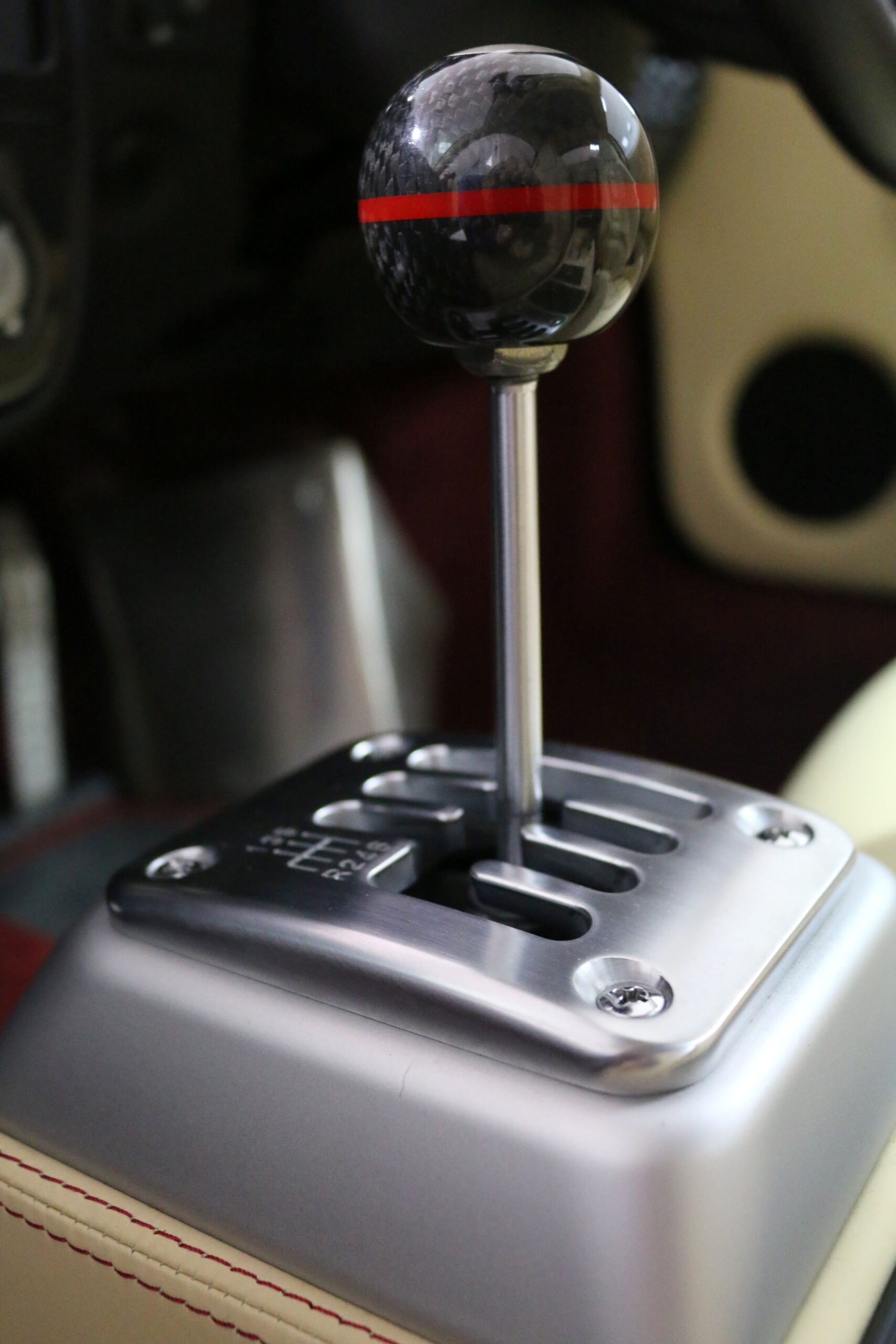
And the six-speed manual remains one of the best gearboxes in the industry at any price — a shift action so precise it borders on mechanical theater, with an automatic rev-match feature good enough to make heel-toe optional. The styling is still divisive (wings, vents, red accents announcing the car’s intentions loudly), but underneath is one of the most sophisticated front-wheel-drive platforms ever built. None of that has aged. It’s why the used market is the way it is.
Used Honda Civic Type R Prices in 2026
Per current listing data from CarGurus and KBB:
- Used 2024 average asking price: ~$45,700 — and prices are up 5.8% year over year, not down
- 2023 examples (which stickered under $43,000 new) still routinely list in the low-to-mid $40s; clean low-mileage cars sometimes ask above original MSRP
- New 2026 Type R MSRP: $46,895
- The listing pool is healthy on condition — roughly 96% of used examples show no reported accidents
Some context explains the weirdness: when the FL5 launched, demand crushed supply and dealer markups of $5,000–$15,000 were common. Owners who paid $55,000 for a $44,000 car aren’t eager to sell at a loss, and enough enthusiasts still want the car — it’s the last of the pure gas, manual-only Type Rs in an electrifying market — that asking prices hold. The result is one of the flattest depreciation curves of any new car sold this decade.
So Should You Buy Used or New?
Run the actual math before assuming used is the smart play:
Buy new if you can order one at MSRP. For ~$1,200 more than the average used 2024, you get a full warranty clock, zero unknown history, your choice of color, and the 2026 model year. When the used discount is that thin, the used car needs to be meaningfully cheaper than average — or you need to find a genuinely exceptional example — to justify it. The catch remains allocation: not every dealer will sell at sticker, and popular colors like Championship White can still carry a wait.
Buy a used Honda Civic Type R when the specific car is right. The used market makes sense at the edges of the range: higher-mileage examples in the high $30s where a real discount finally appears, one-owner cars with documented maintenance and zero track history, or a color/spec that’s hard to allocate new. A well-kept 2023 at $38,000–$40,000 is a legitimately good buy; a 2024 at $46,000 is a new car you’re pretending is a deal.
The Used FL5 Inspection Checklist
The FL5 has proven fundamentally reliable — this is still a Honda — but every used Honda Civic Type R deserves the same skepticism as any performance car that may have been driven like one. The known issues are specific and checkable:
- Track history first. This is the single biggest variable in an FL5’s condition. Track use isn’t automatically disqualifying — the car is built for it — but it accelerates clutch, brake, bushing, and tire wear dramatically, and it should be priced accordingly. Ask directly, check for tech-inspection stickers or roll-bar padding marks, and look at brake and tire condition for corroboration. (If the seller prepped the car the way our track day guide recommends, it may have been treated better than most street cars — documentation tells the story.)
- Clutch feel. Hard-driven and tuned cars eat clutches. On the test drive, look for a high or vague engagement point, any slip under full throttle in third gear, or shudder from a stop.
- Suspension knocks and uneven tire wear. Bushings, ball joints, and dampers wear faster on cars driven hard. Listen over broken pavement and read all four tires’ wear patterns.
- Rear caliper paint. A cosmetic but common FL5 complaint — the red caliper paint deteriorates early on some cars. Dealers have replaced them under warranty; peeling paint is a negotiating point and a warranty-history question, not a mechanical worry.
- Infotainment gremlins. Some owners report head-unit glitches and occasional phantom warning lights. Cycle through the screen, Bluetooth, cameras, and the garage-door programming (a known sore spot) during the test drive.
- Tunes and mods. The K20C1 responds well to tuning, which means plenty of FL5s are tuned. A tune isn’t fatal, but it changes the warranty conversation and raises the stakes on the clutch check. Ask, and verify with an OBD scan if the seller’s answer is vague.
- Cooling context. Stock FL5s can run hot in sustained track sessions — many tracked cars wear aftermarket coolers or grille mods. Their presence is evidence of track use; factor it in.
Beyond the model-specific items, run the full pre-purchase routine from our used performance car buying guide — history report, cold start, fluid condition, and an independent inspection are worth every penny at this price point.
How It Stacks Up in 2026
The FL5’s rivals make the value math more interesting than it was at launch. The Toyota GR Corolla makes the opposite argument — all-wheel drive, three cylinders, rally-bred character — and used examples have depreciated more honestly, which makes them the better raw deal. The Hyundai Elantra N remains the value king of the segment: it gives up refinement and badge cachet to the Honda but costs about $10,000 less used, and nobody who has driven one hard calls it slow. And the Acura Integra Type S — the FL5’s plusher sibling on the same platform — has seen softer prices used, occasionally undercutting the Civic it’s based on.
None of them, though, has the Type R’s specific magic: the best manual gearbox in the class, the most precise front-drive chassis ever mass-produced, and Honda’s track-warranty friendliness. That’s what you’re paying the no-depreciation premium for.
The Bottom Line
The 2024 Civic Type R is still the front-wheel-drive king in 2026 — the engineering verdict hasn’t budged. The buying advice has: with used prices sitting a tire-set away from new MSRP, the default move is to order a new one at sticker and let someone else chase “deals” that aren’t. Buy used only when the specific car earns it — a real discount, documented history, no track abuse — and inspect it like the 315-horsepower used performance car it is. Either way, you end up in one of the best driver’s cars of this era. The FL5 doesn’t depreciate because everyone knows it.
Pre-Purchase Inspection Kit
Two cheap tools that pay for themselves on a single used-car inspection:
- Bluetooth OBD2 scanner — reveals stored codes, readiness monitors, and (with the right app) whether the ECU calibration matches stock
- Paint thickness gauge — finds bodywork and resprays that a clean history report misses
As an Amazon Associate, Infinity City earns from qualifying purchases.