
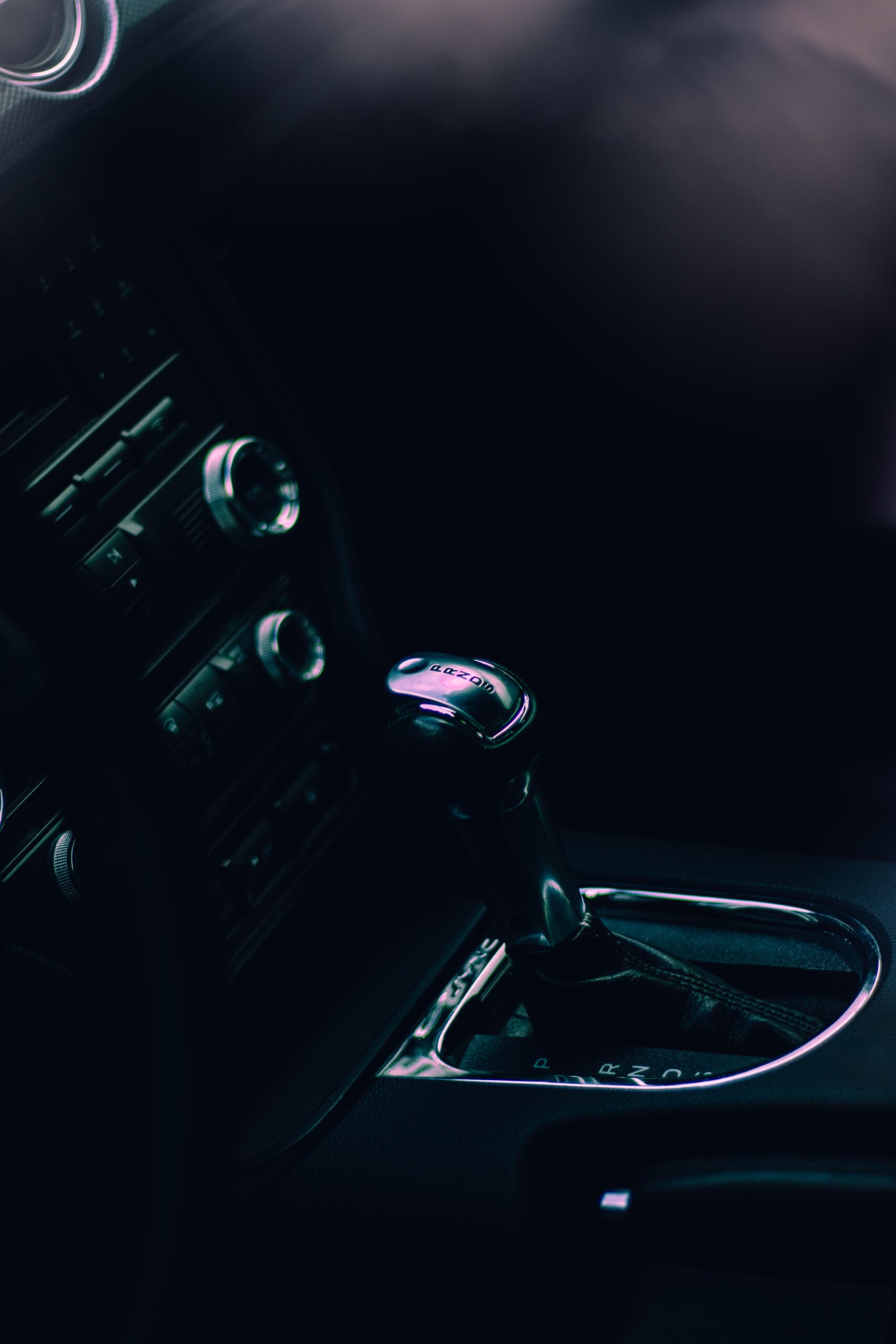
When we first wrote that manual transmissions were having a moment, the evidence was a handful of take rates creeping above 30% on enthusiast trims. Two years later, the moment has hardened into something more interesting — and more durable. The number of new cars offering a manual transmission keeps shrinking, but on the models that still have one, buyers are choosing the stick at rates the industry hasn’t seen in decades. The manual didn’t survive by staying common. It survived by becoming concentrated.
The State of the Manual Transmission in 2026
Two numbers tell the whole story:
- Only about 24 new models still offer a manual transmission in the US for 2026 — down from more than 35 just five years ago
- But take rates on those models are climbing, and several automakers — BMW, Cadillac, Mazda, and Porsche among them — report manual sales actually increasing year over year
Fewer doors, more people walking through each one. That’s not a fad pattern; it’s a market finding its floor.
The Take-Rate Scoreboard
| Model | Manual Take Rate | Trend |
|---|---|---|
| Subaru BRZ | 90% | The purist’s benchmark |
| Subaru WRX | 85% | Holding strong |
| Porsche 911 GT3 Touring | 83% | The manual IS the spec |
| Toyota GR Corolla | 71% | Even after the automatic arrived |
| Cadillac CT4-V Blackwing | 60%+ | Rising |
| Toyota GR Supra | 56% | Final year surge |
| Porsche 911 GT3 | 53% | Manual premium on resale |
| Hyundai Elantra N | 30% | Up from 25% in 2024 |
| Acura Integra | 22% | Up from 19.8% in 2024 |
Look at the direction of every arrow: where the manual survives, its share is stable or growing. When nine out of ten BRZ buyers and more than eight out of ten GT3 Touring buyers pay real money to row their own gears, the business case writes itself — for those specific cars.
Why It’s Happening
The generational theory held up. Younger enthusiasts entering the market treat driving stick as a skill worth acquiring and a point of identity — the analog watch of car culture. Learning on a manual now happens on purpose rather than by default, which self-selects for exactly the buyers who choose enthusiast cars.
The signal theory held up too. As mainstream lineups went automatic-only, the manual became shorthand for “this car is for drivers.” That clarity works both directions: buyers use the manual option to identify serious cars, and manufacturers use it to mark their performance trims as authentic. It’s also now a resale-value instrument — manual examples of the Mustang Dark Horse and 911 GT3 command measurable premiums on the used market over their automatic siblings.
And the electric pressure clarified things. With EVs owning the efficiency argument outright, the remaining combustion performance cars stopped competing on lap times and started competing on experience — where three pedals is a feature, not a compromise. It’s the same dynamic that has kept the Civic Type R and GR Corolla manual-only or manual-first: the transmission is the product.
The Commitments Keep Coming
The strongest evidence that this niche is durable: automakers are making forward commitments, not just maintaining legacy options. Subaru confirmed three new manual-transmission cars for 2027, Porsche keeps expanding manual availability across its GT range because the take rates demand it, and Toyota retrofitted a manual into the Supra and watched it outsell the automatic in its final year. These are product-planning decisions made with 2030 in mind — nobody engineers a new manual program for a dying market.
What It Means If You’re Buying
- Check availability early. Manuals are concentrated on performance trims with limited production runs — the option often sells out before the model year does. Motor1 maintains the full list of what’s still available, and Car and Driver tracks the market closely.
- The manual is the appreciating spec. Across nearly every enthusiast model with both options, the manual holds value better used — sometimes dramatically so. If you’re cross-shopping transmissions purely on resale, the stick wins.
- Learn now if you haven’t. The pool of cars to learn on shrinks every year, but the skill has never been a better filter for the used market: being able to drive everything means being able to buy anything.
The Bottom Line
The manual transmission’s “moment” turned out to be a settlement. It lost the mainstream completely — and won permanent residency in the enthusiast market, where the numbers now argue it’s safer than it’s been in fifteen years. Automatics and dual-clutches remain faster and more efficient, and it doesn’t matter: on the two dozen cars that still offer a third pedal, buyers keep proving that engagement is the specification they’re actually paying for.